You're Not Alone In Your Grief
You're not alone...your people are with you
Screw school pamphlets, unhelpful grief groups, and people saying “sorry for your loss.” It’s time to get real about grief. We’re in this together.

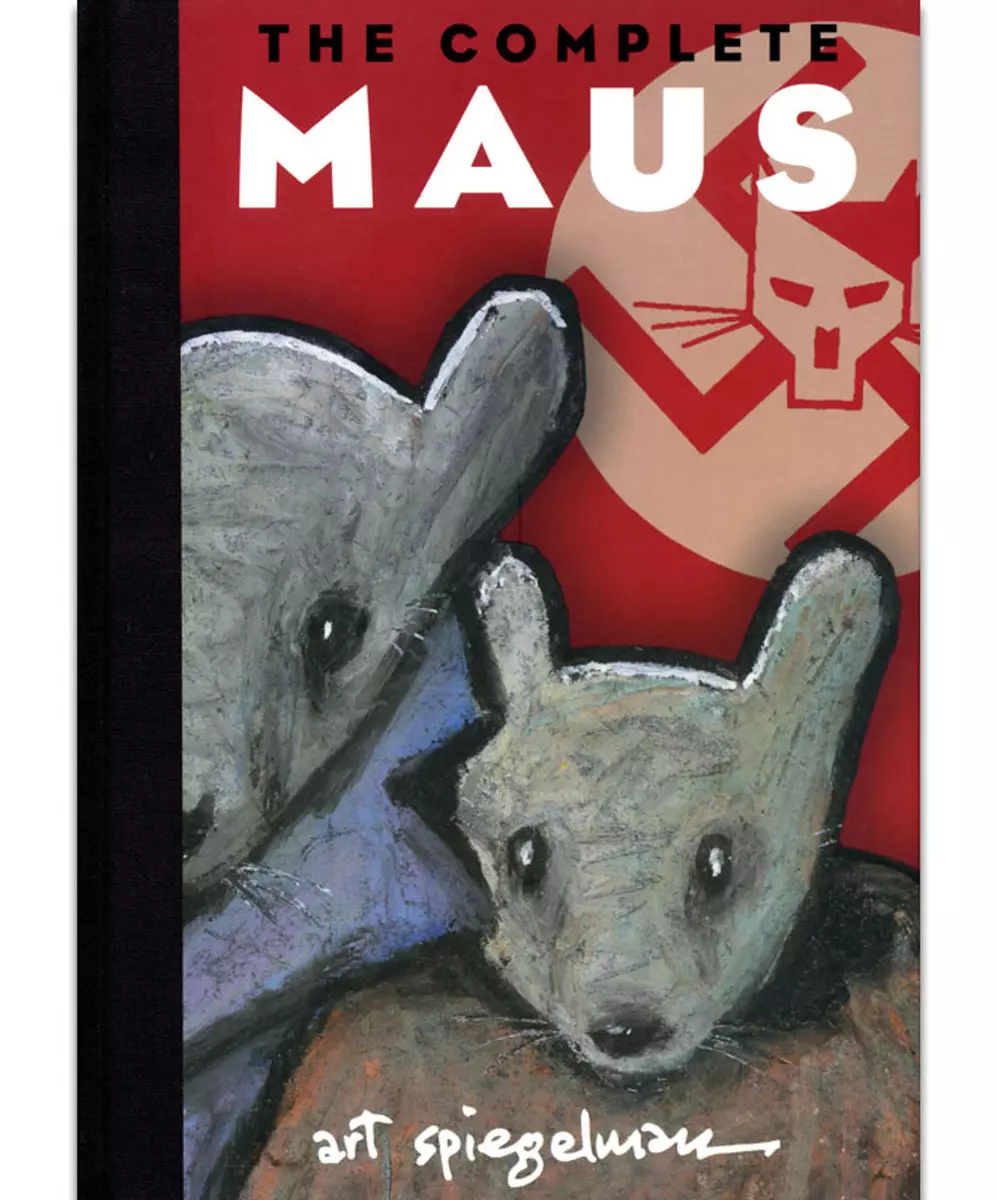
Why we're lovin' it: Sometimes we lose someone close to us. It happens to the best and worst of us, and it's simply a part of life. But what happens when someone who is close to you dies and you didn’t always get along? What if there was a conversation you wanted to have with a loved one who passed but you never got to have that conversation? Well, that’s (partially) what the book Maus is about.
In the book, we follow Vladek Spigelman as he remembers his life through the holocaust. The book is written and narrated by Vladek’s son, Art. When Vladek dies, Art in my opinion, handles the death quite well. But here's the thing: Art didn't like his dad. Now, obviously Art loved his dad, but Art didn't really like him.
This was for good reason. Vladek was constantly mistreating Art and his wife, and Vladek was all around kind of a jerk. Making racist remarks and using his survival of the holocaust to get pity and even discounts on groceries.
But even through all of this, Art was able to push through and pursue. He was able to talk about his feelings and put his emotions into something productive. Like in this case, a book!
My point with all of this is it's ok to not like the person you're grieving. It's ok to still be mad at them, and it's even ok to want to yell at them. That's all a part of grief. And as I'm sure you've been told, grief looks different for everyone.
If you're still mad at the person you're grieving, I encourage you to have that conversation with them. Write a letter, make a song, heck, talk to them like they're still there. But whatever you do, don't let that anger fester, because it will come back to bite you. Every, single, time.
By Teelin, age 17
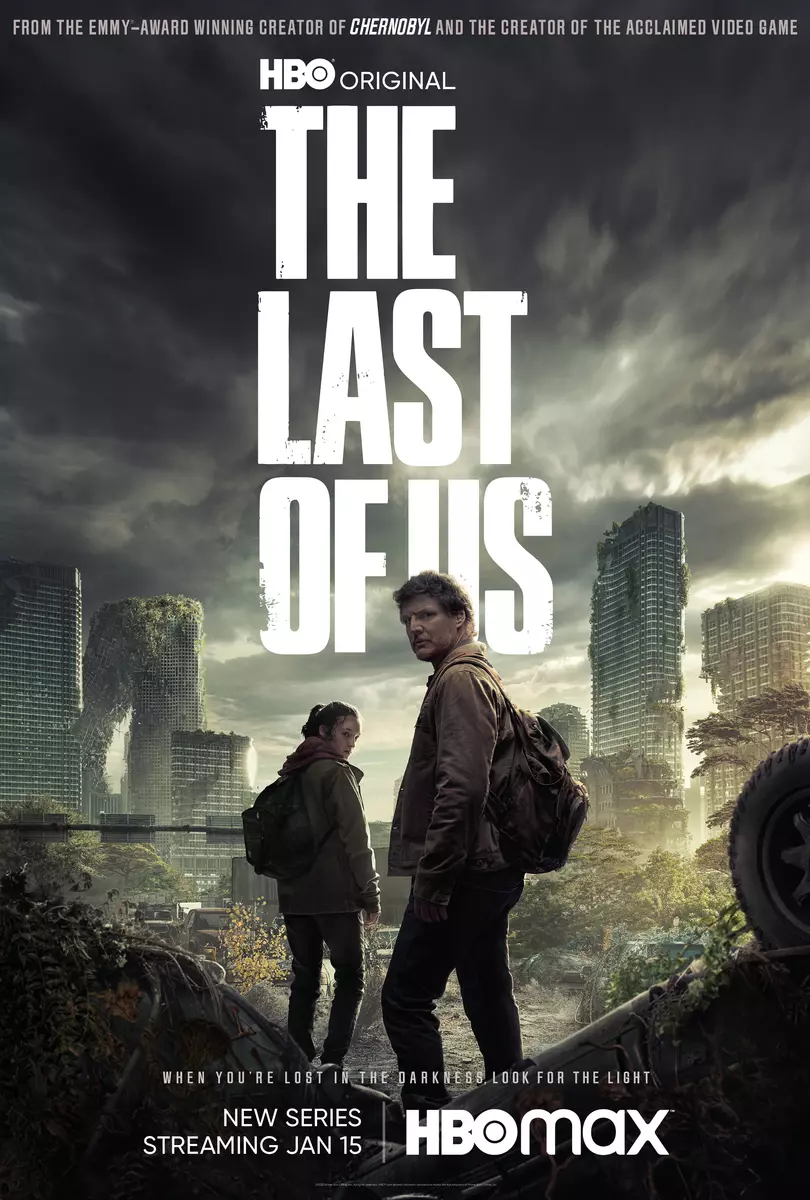
Why I'm lovin' it: At the core of the HBO show "The Last Of Us” is a story about grief. The main character "Joel" loses his daughter to an infection early in the series. It changes him completely. He becomes shut off, and afraid to care for anyone again.
Eventually Joel is asked to take care of a girl named “Ellie,” who lost her family to the infection. At first he is shut off and doesn’t want to get attached to her. But they end up creating a relationship that ultimately helps them both heal.
I relate to this show deeply because it reminds me of my summers at Experience Camps, the grief camp for kids who have had a family member die. Many of us have had a similar experience of losing a person or people we were very close to, and we use that bond to help each other.
After loss, connection with others who "get it"—whether it is through a family tie or friendship—is so important for us to heal.
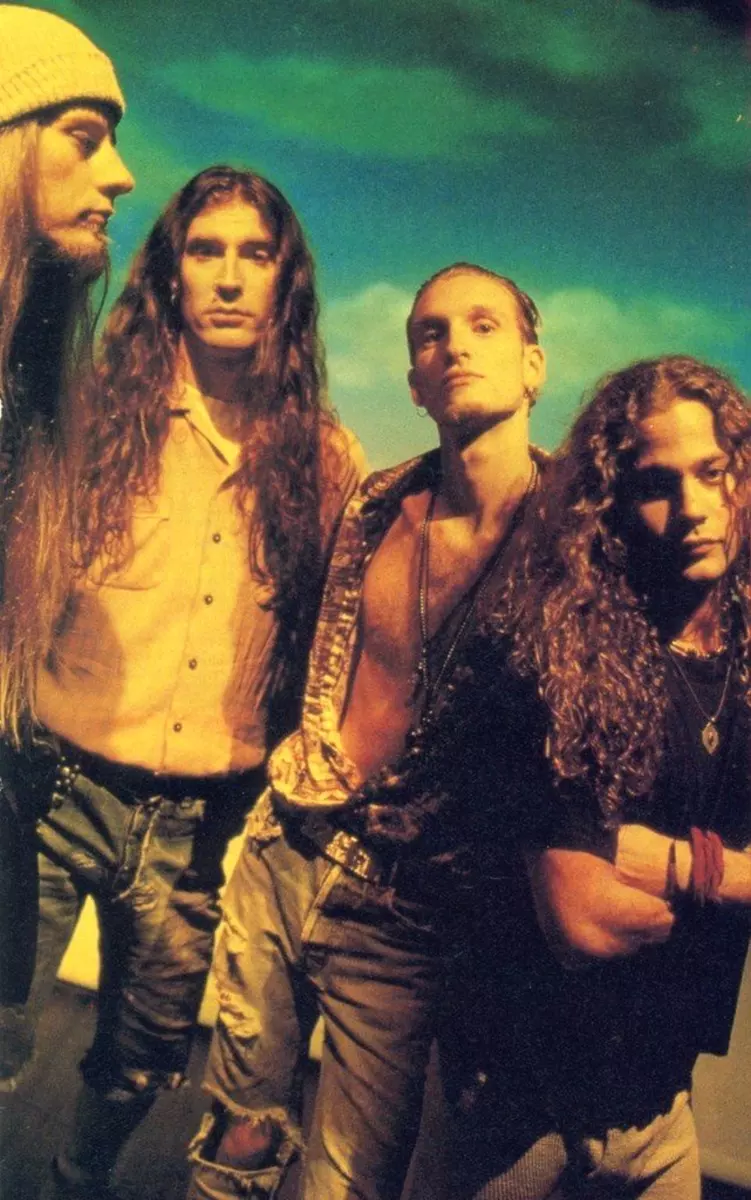
Why we're lovin' it: The song "Died" by Alice in Chains, released in 1999, definitely represents my grief. The meaning of the song is particularly about the loss of lead vocalist Layne Staley's ex-fiancée, Demri Lara Parrott, who sadly passed away due to addiction in 1996.
I lost my dad to addiction. This song also resonates with me because I also express my grief through music. I don’t really like to talk about my grief or express it through words, but I find it easier to show what I’m feeling through music. Grief can be happy or sad, just like music. But with words, it’s hard to say what you truly feel.
Overall, this song shows that it’s okay to feel sad and overwhelmed about death, grief, and many other things. It reflects the pain that Staley and other people (like me) feel after losing someone to addiction or other causes.
So many of us share this kind of pain, and this song has become an anthem for those affected by loss. It creates a sense of safety and reassurance in knowing that someone else has gone through the same thing.
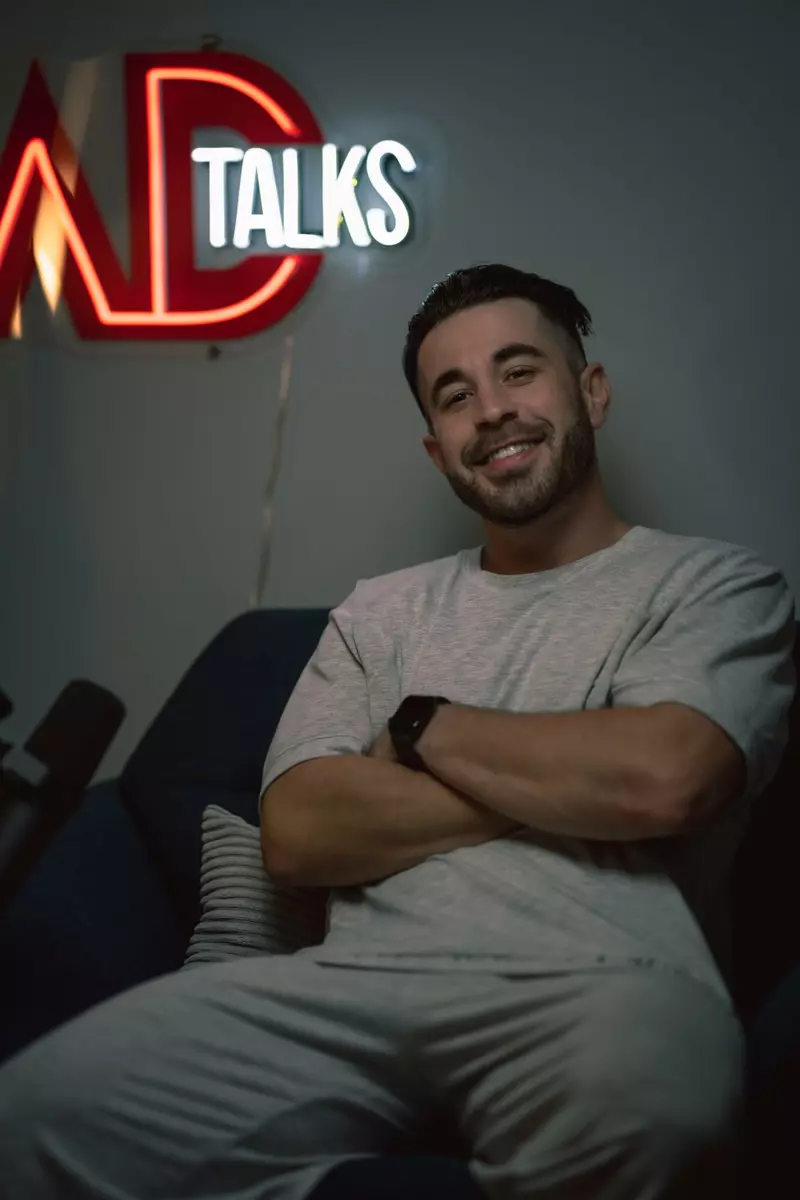
Why we're lovin' it: We can't help but appreciate this clip from "DEAD Talks" Podcast, in which host, David Ferrugio, recalls an embarrassing moment from when he was nine years old that involved his dad (who died when David was 12).
David talks about how his dad was yelling after him while he was at school and it was mortifying, but he would do anything to hear his Dad's voice now. As he put it: "I’d take that 'embarrassment' every day for the rest of my life," he says, "if it meant having my dad back."
David adds, "I think about how easily people can take things like this moment for granted when they haven’t experienced loss. I used to get upset when I saw my friends get angry with their parents and not realize what they have. It’s all perspective and we only know so much in the moment. But these realizations and lessons are how we live better after loss."